
Urban Survival Insights from Survivalinthehood.com
- haroldshouse2001
- Oct 7, 2025
- 3 min read
City and Surburban life is fast. It’s unpredictable. Emergencies can strike without warning. Are you ready? You need more than luck. You need skills. You need knowledge. You need a plan. Urban survival is not just about having gear. It’s about knowing how to use it. It’s about understanding your environment. It’s about staying calm and acting fast. Let me share some hard-hitting urban survival insights that will change how you see your city and your safety.
Mastering Urban Survival Insights
Urban survival is different from wilderness survival. The threats are unique. Crowds, traffic, crime, and infrastructure failures all play a role. You can’t just rely on nature skills. You need street smarts. You need to think ahead.
Start with situational awareness. Always scan your surroundings. Notice exits, people’s behavior, and potential hazards. Ask yourself: What could go wrong here? If you spot trouble early, you can avoid it.
Next, build a go-bag tailored for city life. It should be light but packed with essentials:
Water purification tablets or a small filter
Non-perishable snacks like energy bars
A compact first aid kit
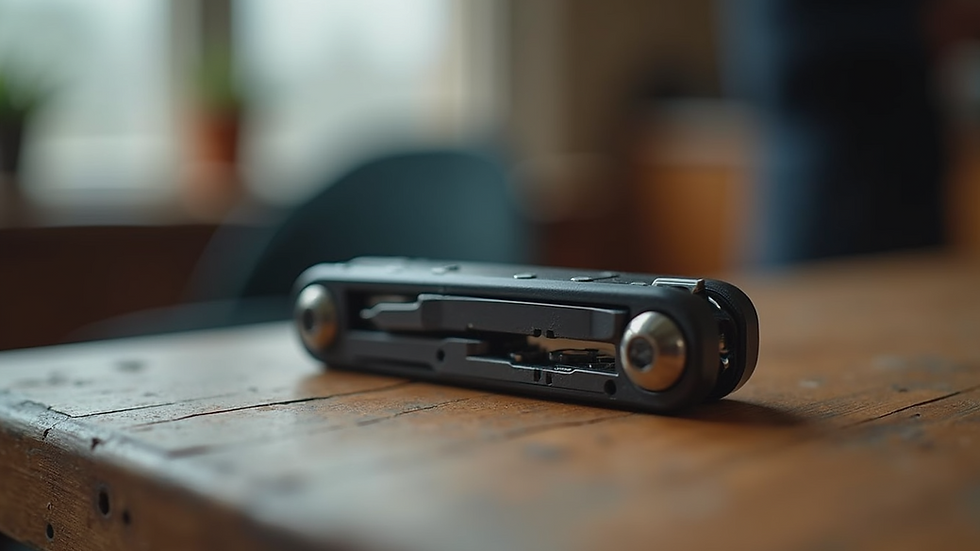
A multi-tool with pliers, knife, and screwdriver
A flashlight with extra batteries
A portable phone charger
A whistle for signaling
Keep this bag in your home and a smaller version at work or in your car. Emergencies don’t wait for you to get ready.

Urban survival also means knowing your escape routes. Identify multiple ways out of your home, office, or neighborhood. Don’t rely on main roads alone. Back alleys, stairwells, and side streets can be lifesavers. Practice these routes. When panic hits, muscle memory takes over.
What does "in the hood" mean in slang?
The phrase "in the hood" often refers to living in a neighborhood with a strong community vibe but also challenges like crime or poverty. It’s more than just a place. It’s a culture. It’s about resilience and knowing how to navigate complex social dynamics.
Understanding this slang helps you grasp the mindset behind urban survival. It’s about respect, awareness, and adaptability. People "in the hood" often develop survival skills out of necessity. They watch their backs, trust their instincts, and rely on their community.
This insight is crucial. Urban survival isn’t just about gear or plans. It’s about attitude. It’s about blending in, staying alert, and knowing when to act or stay quiet. It’s about reading people and situations quickly.

Practical Tips for Staying Safe in the City
Safety in the city starts with simple habits. Here’s what you can do right now:
Keep your phone charged and on you at all times. Use power banks if needed.
Avoid distractions. Don’t walk with headphones blasting or eyes glued to your screen.
Travel in groups when possible. There’s safety in numbers.
Trust your gut. If something feels off, leave immediately.
Learn basic self-defense. Even simple moves can buy you time.
Know your neighbors. A connected community watches out for each other.
Secure your home. Use deadbolts, window locks, and alarms.
Have cash on hand. ATMs might be down during crises.
Remember, urban survival is about prevention as much as reaction. Prepare your mind and body. Stay fit. Stay alert. Stay ready.
Gear That Makes a Difference
You don’t need to buy everything at once. Start small. Build your kit over time. Focus on quality over quantity.
Flashlight: Choose one with a strong beam and long battery life.
Multi-tool: Compact and versatile.
First aid kit: Include bandages, antiseptic wipes, pain relievers, and any personal meds.
Water bottle with filter: Tap water might not always be safe.
Emergency blanket: Lightweight and keeps you warm.
Face mask: Protects against dust, smoke, or germs.
Pepper spray or personal alarm: For self-defense.
Store these items where you can grab them fast. Practice using them. Know how to fix a cut, start a fire, or signal for help.

Building a Resilient Mindset
Gear and plans are useless without the right mindset. Urban survival demands mental toughness. You must stay calm under pressure. You must think clearly. You must act decisively.
Train your mind by:
Visualizing emergency scenarios and your response
Practicing breathing techniques to reduce panic
Learning from real-life stories and survival experts
Staying informed about local risks and news
Remember, fear is natural but don’t let it control you. Confidence comes from preparation. Every skill you learn, every item you pack, every plan you make builds your resilience.
Urban survival is not a luxury. It’s a necessity. The city can be unforgiving. But with the right knowledge and tools, you can face any crisis head-on. Visit survivalinthehood.com for more tips, gear reviews, and real-world advice. Don’t wait for disaster to strike. Prepare now. Stay safe. Stay alive.

Comments