
The Ultimate Disaster Preparedness Guide
- haroldshouse2001
- Nov 10, 2025
- 3 min read
Disasters strike without warning. One moment, life is normal. The next, chaos erupts. Are you ready? You must be. Waiting until the last second is a mistake. I’ve learned this the hard way. That’s why I created this disaster readiness handbook. It’s your blueprint for survival in the city. No fluff. No jargon. Just clear, direct steps to keep you safe. Go to ebook.survivalinthehood.com to get the eBook or go to survivalinthehood.com to get yur survival supplies under the tab shop.
Why You Need This Disaster Readiness Handbook
Urban life is fast and crowded. Emergencies can overwhelm city services in minutes. Power outages, floods, fires, or civil unrest - any can trap you. Do you have a plan? Do you have supplies? Most people don’t. That’s why you need this guide. It’s designed for city dwellers who want to take control.
Here’s what you get:
Clear action steps for before, during, and after a disaster.
Essential gear lists tailored for urban settings.
Simple skills anyone can learn.
Mindset tips to stay calm and focused.
Don’t wait for disaster to find you. Prepare now. Your life depends on it.
Building Your Urban Survival Kit
Start with the basics. Your survival kit is your lifeline. It must be compact, practical, and ready to grab. Here’s what I recommend:
Water - At least one gallon per person per day for three days.
Food - Non-perishable items like canned goods, energy bars, and dried fruit.
First Aid Kit - Bandages, antiseptics, pain relievers, and any personal medications.
Flashlight and Batteries - LED flashlights last longer and use less power.
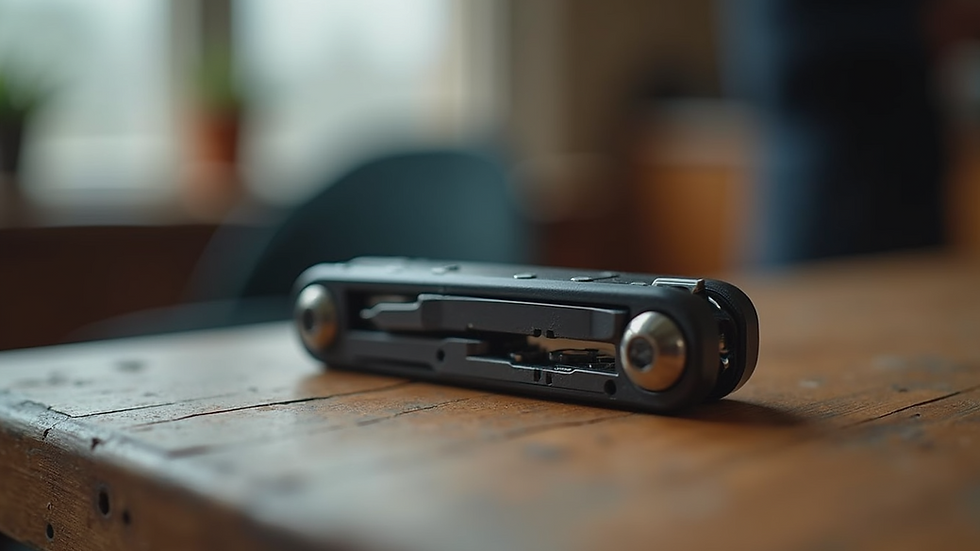
Multi-tool - A good one includes a knife, pliers, and screwdrivers.
Portable Phone Charger - Keep your phone alive for communication.
Emergency Blanket - Lightweight and keeps you warm.
Dust Mask - Protects against smoke and dust.
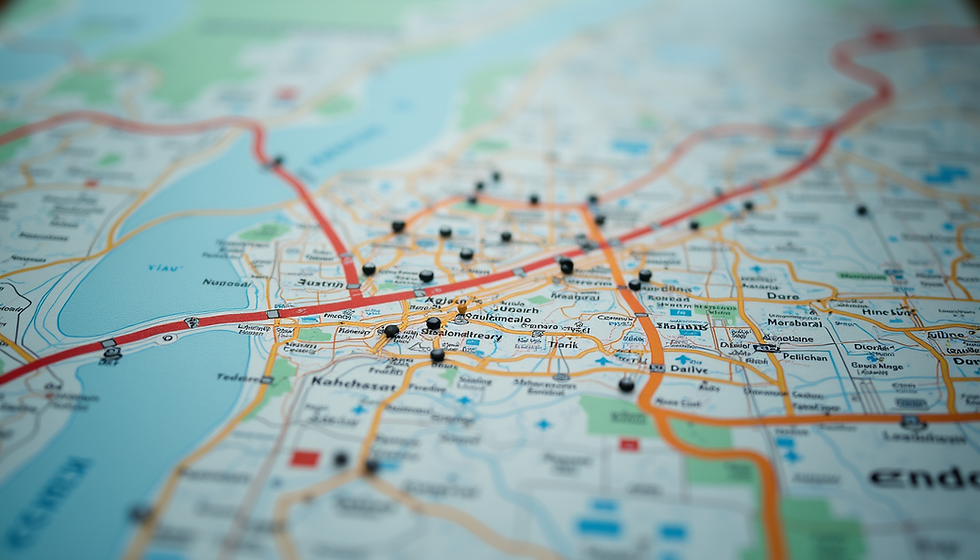
Local Maps - Digital maps can fail; paper maps don’t.
Store your kit in a sturdy backpack or container. Keep it accessible. Practice grabbing it quickly.

Creating a Solid Emergency Plan
Gear alone won’t save you. You need a plan. Here’s how to build one that works:
Identify Risks: Know what disasters are common in your city. Floods? Earthquakes? Power outages?
Set Meeting Points: Choose safe spots inside and outside your neighborhood.
Communication Plan: Decide how you’ll contact family or friends if phones go down.
Evacuation Routes: Know multiple ways out of your building and neighborhood.
Practice Drills: Run through your plan regularly. Make it second nature.
Write your plan down. Share it with everyone in your household. Update it as needed.
Mastering Essential Survival Skills
Gear and plans are useless without skills. Learn these basics to boost your chances:
First Aid: Know how to treat cuts, burns, and shock.
Fire Safety: Learn how to use a fire extinguisher and when to evacuate.
Water Purification: Boil water or use purification tablets.
Self-Defense: Basic moves can protect you in dangerous situations.
Navigation: Use a compass and read maps without GPS.
Take a class or watch tutorials. Practice often. Confidence comes from competence.

Staying Informed and Connected
Information saves lives. Stay alert to what’s happening around you:
Sign Up for Alerts: Use local government apps or services for emergency notifications.
Follow Trusted Sources: Official social media accounts, news outlets, and community groups.
Battery-Powered Radio: When phones fail, radios keep you informed.
Community Networks: Build relationships with neighbors. Share info and resources.
Don’t rely on a single source. Cross-check facts. Stay calm but ready to act.
Taking Action When Disaster Strikes
When the alarm sounds, act fast. Here’s your checklist:
Grab your survival kit.
Follow your emergency plan.
Stay calm and think clearly.
Help others if you can.
Avoid unnecessary risks.
Keep communication lines open.
Move to safe locations as planned.
Remember, hesitation costs lives. Trust your preparation. Move with purpose.
Your Next Step to True Preparedness
Disaster readiness is not a one-time task. It’s a lifestyle. Keep your kit updated. Review your plan regularly. Learn new skills. Stay connected.
If you want a comprehensive, no-nonsense resource, check out this disaster preparedness guide. It’s packed with practical advice tailored for urban survival.
Don’t wait for disaster to force your hand. Take control now. Be the person who’s ready when others panic. Your safety is in your hands.
Stay sharp. Stay prepared. Stay alive.

Comments