
Enhancing Community Disaster Resilience Effectively
- haroldshouse2001
- Oct 27, 2025
- 4 min read
Disasters strike without warning. Cities and counties face floods, fires, blackouts, and more. Are you ready? You must be. The key to surviving urban crises lies in solid community preparedness strategies. It’s not just about individual readiness. It’s about building strength together. Together, we can face anything.
Why Community Preparedness Strategies Matter
Disasters don’t discriminate. They hit neighborhoods, blocks, and streets. When a crisis hits, help might not arrive immediately. Emergency services get overwhelmed. That’s why community preparedness strategies are crucial. They empower neighbors to support each other. They create a network of resilience.
Think about it. If your block has a plan, knows who needs help, and shares resources, you survive better. You recover faster. You save lives. It’s simple. Preparedness is power.
Here’s what effective community preparedness looks like:
Communication plans: Who calls whom? How do you share updates?
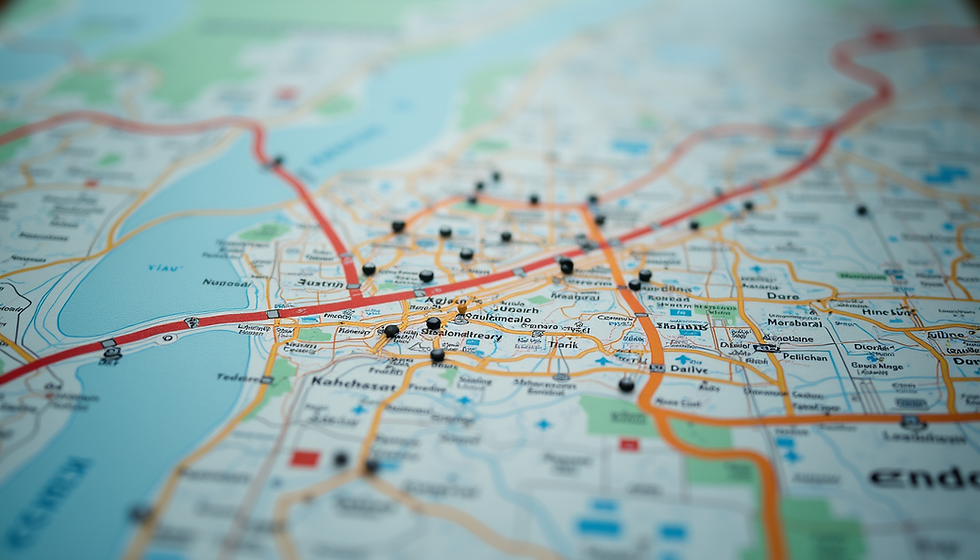
Resource mapping: Who has medical supplies? Who can provide shelter?
Training sessions: Teaching CPR, first aid, and fire safety.
Drills and simulations: Practicing evacuation routes and emergency responses.
Mutual aid groups: Neighbors helping neighbors with food, water, and support.
These strategies reduce panic. They build confidence. They turn chaos into order.

What is community disaster resilience?
You’ve heard the term. But what does it really mean? Community disaster resilience is the ability of a group to withstand, adapt to, and recover from disasters. It’s not just bouncing back. It’s bouncing forward - stronger and smarter.
Resilience depends on:
Preparedness: Knowing risks and planning ahead.
Response: Acting quickly and effectively during a crisis.
Recovery: Rebuilding and learning after the event.
It’s about people, places, and plans working in harmony. When a community is resilient, it faces less damage and recovers faster. It saves lives and livelihoods.
For urban dwellers, resilience means understanding city-specific risks. Flooding in low-lying areas. Power outages in high-rises. Traffic jams blocking emergency routes. Each challenge needs tailored solutions.
That’s why I recommend checking out community disaster resilience resources. They offer practical tips for urban settings. Don’t wait for disaster to strike. Build resilience now.
Building Blocks of Effective Community Preparedness Strategies
Start small. Start smart. Here’s how to build a strong foundation:
1. Identify Risks and Vulnerabilities
Know your neighborhood’s weak spots. Is it prone to flooding? Are there many elderly residents? What about language barriers? Map these out. Use local data and community input.
2. Create a Clear Communication Network
In a crisis, information saves lives. Set up phone trees, WhatsApp groups, or neighborhood radios. Assign roles: who alerts whom? Who checks on vulnerable neighbors?
3. Stockpile Essential Supplies
Food, water, first aid kits, flashlights, batteries. Encourage neighbors to keep emergency kits. Share resources to avoid duplication and gaps.
4. Train and Educate
Host workshops on first aid, fire safety, and emergency response. Practice drills regularly. Knowledge builds confidence and reduces fear.
5. Establish Safe Zones and Evacuation Plans
Identify shelters and safe meeting points. Plan multiple evacuation routes. Make sure everyone knows them.
6. Foster Mutual Aid and Support Networks
Encourage neighbors to help each other. Share skills and resources. Create buddy systems for those who need extra help.
7. Collaborate with Local Authorities
Build relationships with fire departments, police, and emergency services. Invite them to community meetings. Understand their plans and share yours.
These steps create a web of preparedness. Each thread strengthens the whole.

Practical Tips to Boost Your Neighborhood’s Readiness
You don’t need to be an expert. You just need to act. Here are some quick wins:
Start a neighborhood preparedness group. Even five people can make a difference.
Host a block party with a preparedness theme. Make learning fun and social.
Create a shared contact list. Include phone numbers, medical info, and emergency contacts.
Organize a supply swap. Share what you have, borrow what you need.
Use social media wisely. Share verified info and updates during emergencies.
Practice drills quarterly. Walk through evacuation routes and safety procedures.
Check on neighbors regularly. Especially those who live alone or have disabilities.
Remember, preparedness is a habit. Keep it alive with regular activities and communication.
Why Urban Preparedness is Different and How to Adapt
Cities are complex. Tall buildings, crowded streets, and diverse populations create unique challenges. Here’s what you must consider:
High population density means more people to coordinate.
Limited open spaces make evacuation tricky.
Infrastructure dependencies like elevators and public transit can fail.
Cultural diversity requires multilingual communication.
Crime and safety concerns may affect trust and cooperation.
Adapt your strategies accordingly:
Use vertical evacuation plans for high-rises.
Identify multiple meeting points, including indoor safe zones.
Partner with local cultural groups to spread awareness.
Train community members in conflict resolution and safety.
Leverage technology for real-time updates and alerts.
Urban preparedness demands creativity and collaboration. It’s challenging but absolutely doable.
Taking Action Today: Your Role in Enhancing Community Disaster Resilience
Don’t wait for the next disaster. Take charge now. Here’s your action plan:
Learn about your local risks. Visit city websites or community centers.
Join or start a preparedness group. Connect with neighbors.
Build your emergency kit. Include essentials for at least 72 hours.
Share knowledge. Teach friends and family what you learn.
Practice your plans. Run drills and update your strategies.
Stay informed. Follow trusted sources and local alerts.
Support vulnerable neighbors. Offer help before, during, and after crises.
Every step counts. Every person matters. Together, we create a safer, stronger community.
Ready to dive deeper? Explore detailed guides and resources at community disaster resilience. Equip yourself with the skills and mindset to face urban emergencies head-on.
Disasters won’t wait. Neither should you. Act now. Build resilience. Save lives.


Comments