
Understanding Emergency Response Planning Essentials
- haroldshouse2001
- Sep 29, 2025
- 4 min read
Emergencies don’t wait. They hit fast and hard. Are you ready? If not, it’s time to act. Responsive emergency planning is your lifeline in chaos. It’s not just about having a plan. It’s about having the right plan that works when seconds count. Let’s break down what you need to know and do to stay safe in the city.
Why Responsive Emergency Planning Matters in Urban Life
Cities are complex. Crowded streets, tall buildings, and busy public transport create unique challenges. Fires, floods, power outages, or even civil unrest can disrupt life instantly. Without a solid plan, confusion and panic take over. That’s why responsive emergency planning is crucial.
You need a plan that adapts. One that considers your neighborhood, your building, and your daily routine. Think about it: if a fire breaks out in your apartment, do you know the quickest exit? If the power goes out, do you have backup light and communication? If public transport stops, do you have a way to get home safely?
Here’s what responsive emergency planning does for you:
Prepares you for specific urban risks.
Helps you act fast and smart.
Keeps you calm and focused.
Protects your family and neighbors.
Don’t wait for disaster to strike. Build your plan now.

Building Your Responsive Emergency Plan Step-by-Step
Start simple. A good plan covers these basics:
Know Your Risks
Identify what emergencies are most likely in your area. Floods? Earthquakes? Power failures? Crime spikes? Research local history and news.
Create a Communication Strategy
How will you contact family or friends? Choose a meeting spot outside your home and one outside your neighborhood. Use text messages or social media when calls fail.
Prepare an Emergency Kit
Pack essentials: water, non-perishable food, flashlight, batteries, first aid, cash, and copies of important documents. Keep it accessible.
Plan Your Evacuation Routes
Know at least two ways out of your home and neighborhood. Practice these routes regularly.
Stay Informed
Sign up for local alerts. Follow trusted sources on social media. Have a battery-powered or hand-crank radio.
Train Yourself and Your Household
Learn basic first aid and CPR. Practice fire drills and lockdown drills.
Example:
If you live in a high-rise, your plan should include stairwell use during power outages and knowing where fire extinguishers are located. If you rely on public transit, have a backup plan to walk or bike home.

What are the 3 C's of emergency response planning?
The 3 C's are your guiding principles. They keep your plan clear and effective.
Clear: Your plan must be easy to understand. Avoid complicated jargon. Everyone in your household should know it by heart.
Concise: Keep it short and to the point. Long, detailed plans get ignored. Focus on what matters most.
Consistent: Review and update your plan regularly. Emergencies change, and so should your plan.
Use the 3 C's to test your plan. Can you explain it in a few sentences? Can you follow it without confusion? Does it reflect your current living situation?
Tip: Write your plan down. Post it somewhere visible. Share it with neighbors or building management if possible.

How to Equip Yourself for Urban Emergencies
Gear matters. The right tools can save your life. But don’t overcomplicate it. Focus on essentials that fit your lifestyle.
Must-haves include:
Water and Food: At least 3 days’ supply. Choose easy-to-store, no-cook items.
Light Sources: Flashlights, headlamps, and extra batteries.
Communication Devices: Charged phone, portable charger, and a whistle.
First Aid Kit: Bandages, antiseptics, pain relievers, and any personal medications.
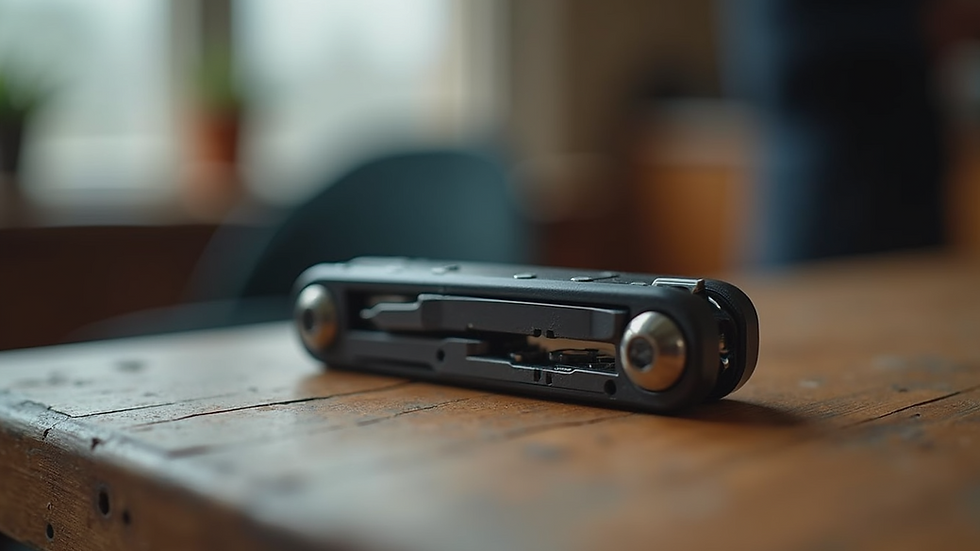
Multi-tool or Swiss Army Knife: Useful for many situations.
Cash: Small bills for emergencies when cards don’t work.
Protective Gear: Masks, gloves, and sturdy shoes.
Store your kit in a backpack or container that’s easy to grab. Keep it in a place everyone knows.
Bonus: Consider gear designed for urban survival. Check out emergency response planning supplies tailored for city dwellers.
Staying Calm and Taking Action When Disaster Strikes
Plans and gear are useless if panic takes over. Train your mind to stay calm. Practice breathing techniques. Visualize your plan in action.
When an emergency happens:
Stop and assess the situation.
Follow your plan step-by-step.
Communicate clearly with those around you.
Help others if you can, but prioritize your safety.
Remember, quick decisions save lives. Don’t freeze or hesitate. Trust your preparation.
Example:
During a sudden blackout, use your flashlight, check on family members, and avoid using elevators. Head to your designated safe spot and wait for updates.
Keep Improving Your Plan and Skills
Emergency planning is ongoing. Life changes, and so do risks. Review your plan every six months. Update your emergency kit. Practice drills regularly.
Join local preparedness groups or online communities. Share tips and learn from others. The more you know, the better you’ll handle any crisis.
Final thought:
Being ready isn’t about fear. It’s about control. Take charge of your safety today. Build your responsive emergency plan and live with confidence.
Stay prepared. Stay safe. Your city depends on it.

Comments