
Building Disaster Response Skills
- haroldshouse2001
- Sep 17, 2025
- 3 min read
Disasters strike without warning. In cities, chaos can escalate fast. You need to act quickly. You need to be ready. Building emergency response skills is not optional. It’s essential. I’m here to guide you through practical steps to prepare, respond, and survive when disaster hits your urban environment.
Why Emergency Response Skills Matter in the City
Cities are complex. Crowds, traffic, tall buildings, and limited open space create unique challenges. When disaster strikes - whether it’s a fire, earthquake, flood, or civil unrest - emergency services might be overwhelmed or delayed. That’s why you must rely on your own skills first.
Emergency response skills help you:
Stay calm under pressure
Make quick, smart decisions
Protect yourself and others
Navigate urban hazards safely
Communicate effectively during chaos
Imagine a fire breaking out in your apartment building. Do you know how to evacuate safely? Can you help neighbors who might be trapped? What if the power goes out and elevators stop working? These skills save lives.

Mastering Emergency Response Skills: What You Need to Know
Start with the basics. Learn how to assess situations fast. Identify dangers. Prioritize actions. Here’s a simple framework to build your skills:
Situational Awareness
Always scan your surroundings. Notice exits, hazards, and safe zones. In a crowded subway or office, know where emergency exits are.
First Aid Basics
Learn CPR, wound care, and how to stop bleeding. Carry a small first aid kit. Practice regularly.
Communication
Have a plan to contact family or emergency services. Use text messages or social media if calls don’t go through.
Evacuation Planning
Know multiple escape routes. Practice drills at home and work.
Self-Defense and Crowd Control
Understand how to protect yourself in a panic or violent situation. Stay calm, keep distance, and move with purpose.
These skills are not just theory. Practice them. Join local workshops or online courses. Use resources like disaster response skills to deepen your knowledge.

What are the 4 C's of Disaster Triage?
In a disaster, medical help may be limited. You might need to prioritize who gets care first. The 4 C’s of disaster triage help you make these tough calls quickly:
Critical: Immediate life-saving treatment needed.
Delayed: Serious injuries but can wait a bit.
Controllable: Minor injuries, can care for self or wait longer.
Comfort: Injuries are fatal or beyond help; provide comfort only.
Knowing these categories helps you act decisively. It’s about saving the most lives with limited resources. Practice identifying injuries and sorting patients if you volunteer or train with emergency groups.

Gear Up: What to Have Ready for Urban Emergencies
Skills alone aren’t enough. You need the right gear. Keep a compact emergency kit at home, work, and in your bag. Here’s what to include:
Water (1 gallon per person per day for 3 days)
Non-perishable food (3-day supply)
Flashlight and extra batteries
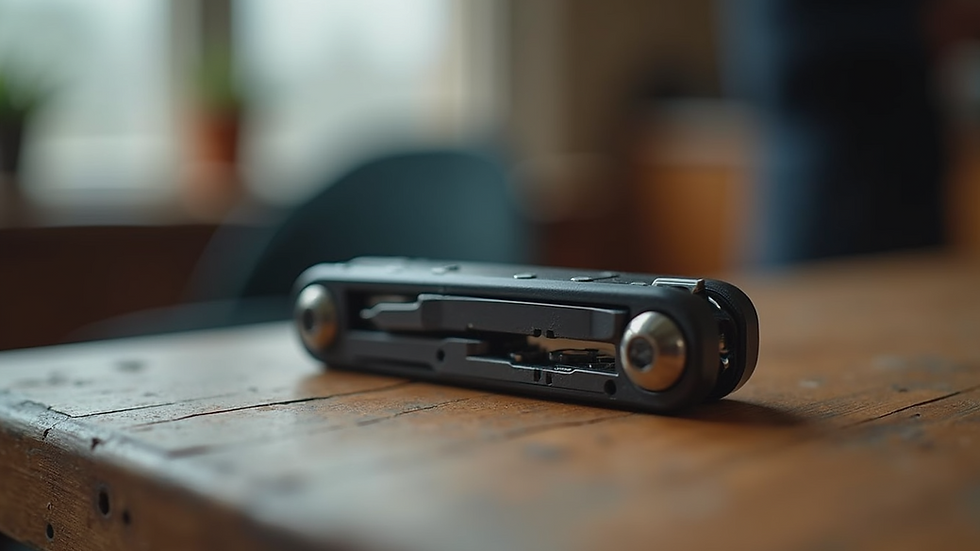
Multi-tool or Swiss Army knife
First aid kit with supplies for cuts, burns, and CPR mask
Whistle to signal for help
Dust mask to filter contaminated air
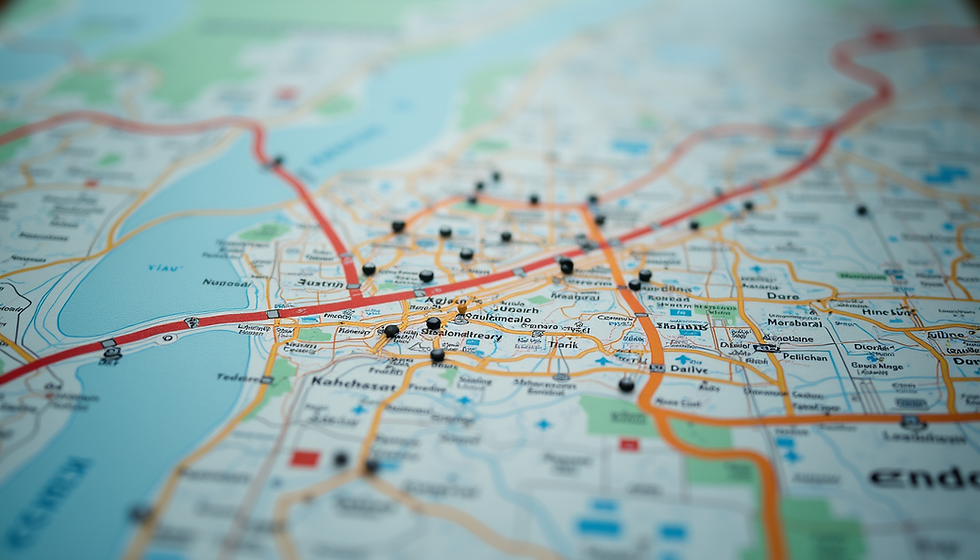
Local maps and emergency contact list
Portable phone charger
Cash in small bills
Personal hygiene items
Update your kit every six months. Customize it for your needs. If you have pets, include their supplies. If you take medication, keep extra on hand.
Training Your Mindset: Stay Calm, Stay Ready
Disasters test your mental strength. Panic kills. Training your mindset is as important as physical skills. Here’s how to build mental resilience:
Visualize scenarios: Imagine different emergencies and how you’d respond.
Practice breathing techniques: Control stress with deep, slow breaths.
Stay informed: Follow trusted news and alerts. Don’t spread rumors.
Build community: Know your neighbors. Share plans and resources.
Keep learning: Stay curious and open to new skills.
Remember, confidence comes from preparation. The more you practice, the more natural your response will be.
Taking Action Now: Your Next Steps
Don’t wait for disaster to strike. Start today. Here’s a quick checklist:
Identify hazards in your home and neighborhood
Create a family emergency plan with meeting points and contacts
Assemble or update your emergency kit
Learn basic first aid and CPR
Join local preparedness groups or online forums
Practice evacuation drills regularly
Bookmark disaster response skills for ongoing learning
Every step you take builds your readiness. Every skill you gain increases your chance to survive and help others.
Disaster response is a skill set you can build. It’s about being ready, confident, and capable when seconds count. Urban life is unpredictable. But with the right skills and mindset, you can face any crisis head-on. Start now. Prepare smart. Stay safe. survivalinthehood.com your go to place for all things survival!

Comments